Stockholm suffers from inequality in sports facilities: 32,300 Stockholmers per sports hall, compared with 12,700 in Gothenburg. The shortage has lasted more than thirty years, and the region’s population will reach 2.7 million by 2030.
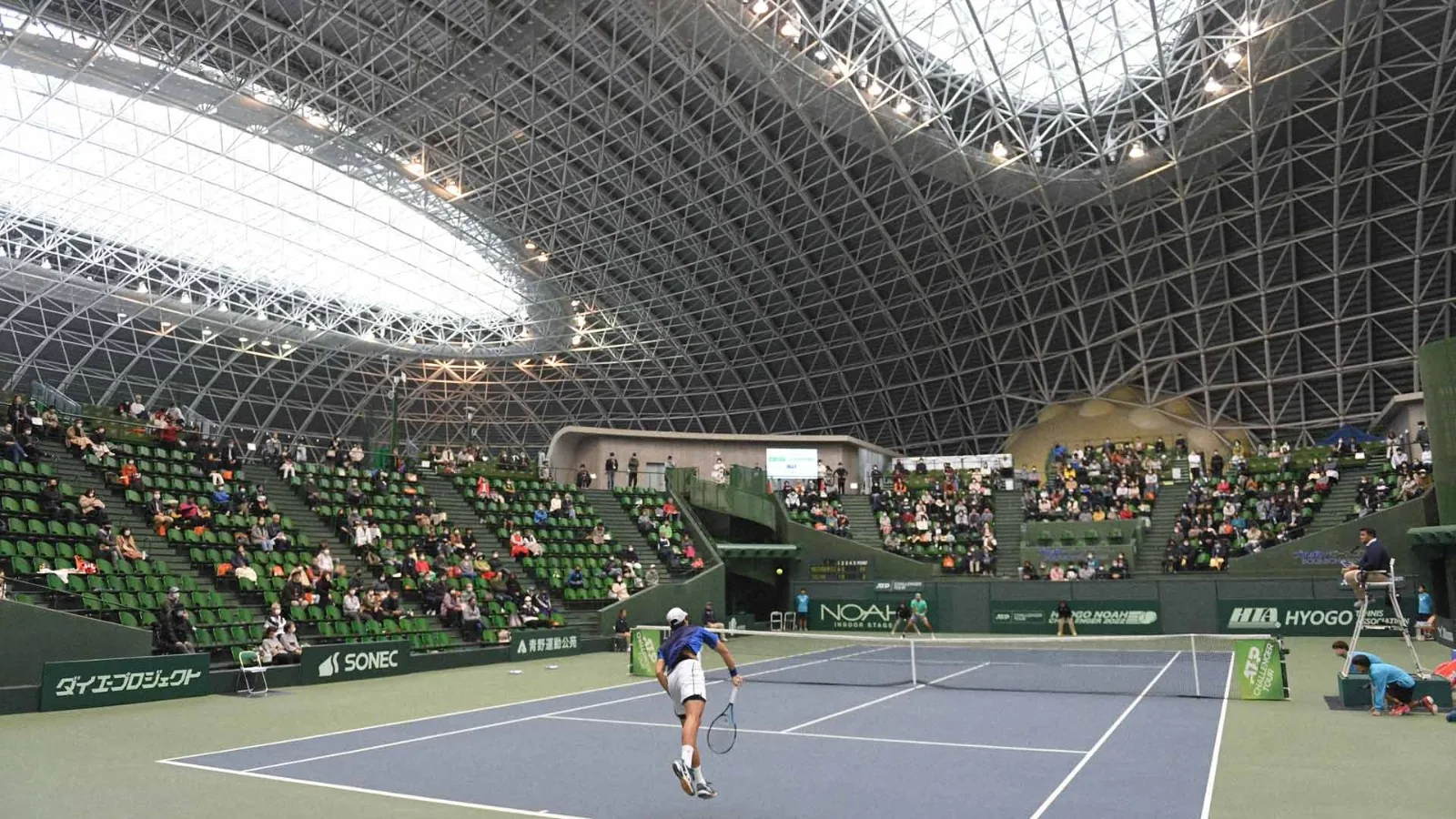
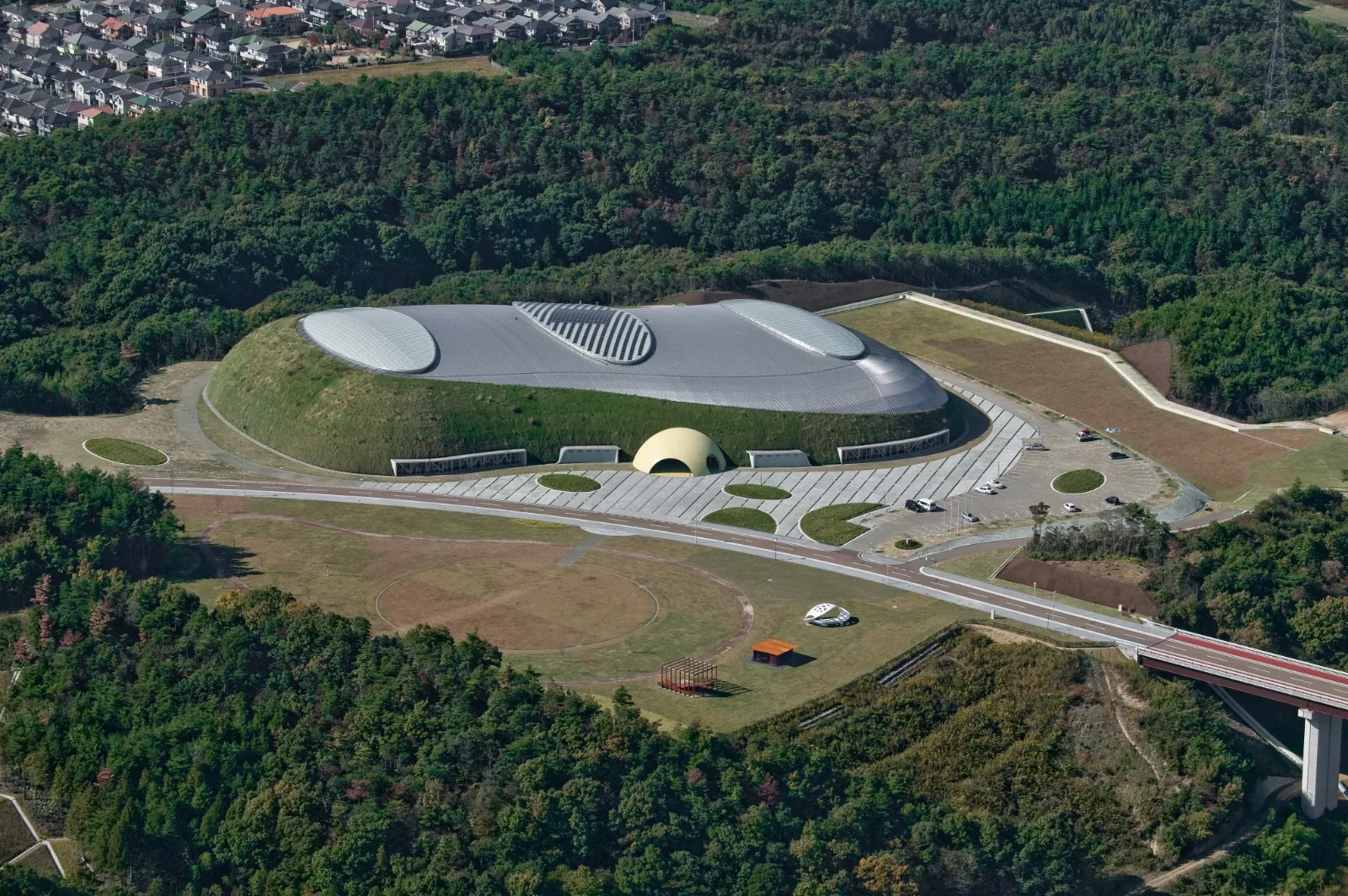
The Dome Sweden narrows that gap with one arena that gathers many sports under one roof, a 15,000-seat centre court for sport and culture, year-round coaching, conferences and a public sports park. It is based on the award-winning Bourbon Beans Dome by Endo Shuhei, the architect of The Dome Sweden project.
We are raising the capital to build it, and we are looking for investors who want a return that comes with measurable social and environmental impact, reported openly every year.
32 300
Stockholmers per sports hall, against 12,700 in Gothenburg.
2.7 m
inhabitants in the Stockholm region by 2030.
13
UN Sustainable Development Goals the project will affect.
Why The Dome Sweden is an investment case, not a cost
An unmet need in a growing capital
Stockholm has lacked sports facilities for more than thirty years, and the population keeps growing. An arena that gathers many sports under one roof is the priority for the sports facilities of the future.
Several revenue streams in one building
Club memberships and court time in seven racquet sports, fitness and well-being, spa, medicare, conference rooms, a restaurant with catering, coaching and education programmes, and a 15,000-seat centre court for national and international sport, concerts and cultural events.
International positioning
The Dome Sweden gives Stockholm an impressive arena for international sports competitions and cultural events, promotes the growth of sports tourism and becomes a vector for business development in the region.
A built, award-winning model
The concept is not a sketch. The Bourbon Beans Dome of Miki City near Kobe, by architect Endo Shuhei, is already built, operating and hosts international tennis. Endo Shuhei is part of The Dome Sweden team.
Purpose you can report on
A contribution to thirteen UN Sustainable Development Goals, full alignment with the Convention on the Rights of the Child, and the ambition to be the first fully sustainable and smart arena in Scandinavia.
A hotel next to the arena
The site plan leaves room for a hotel next to The Dome Sweden, serving visiting teams, delegations, event audiences and conference guests. It is a separate development opportunity, for a hotel investor or operator alongside the arena.
Social infrastructure, not a sports venue
Calling The Dome Sweden a sports project is too limiting. It is social infrastructure: sport, health, education, community and events in one place, with effects that reach the healthcare budget, the school day, the labour market and the safety of a neighbourhood. For an investor with an impact or ESG mandate, that changes the category. The question is not only what the arena returns, but what your investment lets you report: physical activity, public health, young people’s development, inclusion, sustainable construction and regional growth, measured every year.
Six revenue streams, one roof
Events on the centre court, memberships and court time in seven racquet sports, sponsorship and partnerships, conferences and education, food and beverage, and parking. A traditional arena lives off events alone; here the largest streams recur every week of the year.
A facility that does not need to be full to work
Seven sports with different price points and peak hours share one reception, one roof and one energy system. Empty morning hours become subsidised time for schools, clubs and seniors, which raises total use without touching evening revenue.
Indoor capacity as a hedge against the Swedish winter
Indoor courts carry the winter while the outdoor park and beach-tennis courts carry the summer. Demand moves between sports and seasons inside the same building instead of being lost.
Sustainability as a margin, not a cost
Own renewable energy, heat recovery, smart control and circular materials cut operating costs for fifty years and qualify the project for green and sustainability-linked financing. Building right from the start reduces risk and raises the lifetime margin.
Built for fifty years
The arena is specified for a life cycle of fifty years or more. A long horizon is what makes both the return to owners and the return to society possible, and it is why the project reports on both.
What we are looking for
Investors, funds and family offices with an interest in real estate, sport, leisure or impact, who want to be part of the project from the capital-raising phase. We are equally interested in strategic investors from the sports and events industry.
The project is in dialogue with municipalities about a site in the Stockholm region. Investors who bring relationships with public bodies, landowners or sponsors are especially welcome.
How a first conversation works
1. Request the presentation
Use the button on this page. You receive the full presentation and a proposed time within two business days.
2. A meeting with Fabrice
Thirty to sixty minutes, in person in Stockholm or online, in English or Swedish. We go through the concept, the team, the site strategy and what the project needs now.
3. Documentation and next step
If there is a fit, you get the material you need for your own evaluation and a direct line to the founder and the team.